
The Dangerous AI Gamble in Education
When AI Teaches, Students Will Have Nothing Meaningful to Say
Is your school preparing students for the future — or quietly dismantling their
ability to think?
Artificial intelligence is sweeping through education with a seductive promise: personalised learning, instant feedback, and superhuman efficiency. Tech companies are spending billions convincing schools, universities, and governments to hand over their classrooms — and their students — to algorithms. But what if the revolution is a trap?
In The Dangerous AI Gamble in Education, Dr. Finn Majlergaard — a former technology industry executive turned professor with 25 years in higher education — delivers a landmark, evidence-based warning that the world's educators urgently need to hear.
“I’m already seeing students who can deliver flawless presentations on organisational cultural behaviour but barely understand the concepts they’re supposedly explaining. AI tools are creating a generation who mistake access to information for understanding.”
The Science is Alarming
MIT research shows that intensive AI use literally rewires student brains - reducing cognitive effort, weakening working memory, and building what scientists call 'cognitive debt.'
Your Students Are Being Watched
AI platforms collect unprecedented
psychological profiles on every child: every click, pause, and wrong answer - stored in black-box systems that educators and parents cannot access or challenge.
Social media tradegy again
The same companies that promised
social media would 'connect' young
people left a generation lonelier than ever. 25% of 15–18 year-olds report feeling lonely. Educational AI is poised to repeat this catastrophic pattern.
What You Will Find Inside This book
Rather than a blanket rejection of technology, Dr. Majlergaard offers a rigorous, practical roadmap for educational leaders who refuse to be manipulated:
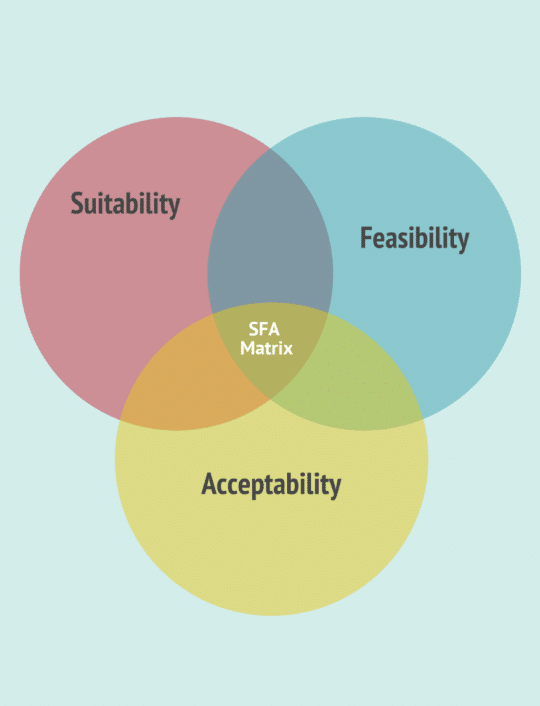
- The SFA Framework — a clear decision-making tool to assess whether any AI tool is Suitable, Feasible, and Acceptable for your institution
- How to protect student privacy and agency against data-hungry platforms
Strategies for preserving the human relationship at the heart of learning - Case studies including the high-profile collapse of LA Unified School District's AI chatbot 'Ed' — shut down after just three months
- A compelling vision for AI as a servant of education, never its master
Who Should read this book?
Business School and University Faculty and Leaders
Make informed, defensible decisions before sign.
Reclaim your authority in the classroom before algorithms replace your judgment.
Policy makers, parents and politicians
Understand what is really happening to children inside AI-powered platforms.
EdTech Investors & Vendors
Build products that genuinely serve students — and avoid the next scandal.
Where Can I buy The Book?
Click on your favorite bookstore below
Both paperbacks and eBooks are available










“The Dangerous AI Gamble In Education” challenges tech industry’s promise to “revolutionise” learning.
In a provocative new book that challenges the current rush toward artificial intelligence in education, Dr. Finn Majlergaard argues that tech companies are putting profit before students, potentially damaging the very foundations of meaningful learning.
“The Dangerous AI Gamble in Education: When AI Teaches, Students Will Have Nothing Meaningful to Say,” published by GuginPress, presents a critical examination of AI’s growing influence in classrooms and universities worldwide. Drawing on 25 years of experience as a professor and former technology industry executive, Dr. Majlergaard warns that educational institutions are being manipulated into adopting systems that may harm rather than help students.
The human cost of ai-driven education
The book cites alarming research from MIT showing that intensive use of AI tools like ChatGPT literally changes how students’ brains function, reducing cognitive effort and creating what researchers call “cognitive debt.” Students using AI systems showed significantly weaker brain activity in areas linked to working memory and problem-solving compared to those working without technological assistance.
“I’m already seeing students who can deliver flawless presentations on quantum physics but can barely understand the concepts they’re supposedly explaining,” says Dr Majlergaard. “AI tools are creating a generation who mistake access to information for understanding.”
The surveillance state comes to school
Dr Majlergaard exposes how AI systems in education operate as “black boxes,” collecting unprecedented amounts of student data whilst offering no transparency about how this information is used. Every click, pause, and answer becomes part of detailed psychological profiles that students and educators cannot access or challenge.
“Your students are being watched, measured, and sorted by algorithms you don’t understand, using data you can’t see, for purposes you haven’t approved,” the author warns educational leaders.
A pattern of social media repeated
The book draws parallels between AI in education and the social media phenomenon, warning that the same companies promising to “connect” students may actually be increasing isolation and loneliness. Research cited shows that 25% of young people aged 15-18 report feeling lonely, with even higher rates in some countries.
“We’ve seen what happened when social media promised to connect us,” Dr Majlergaard notes. “Educational AI is poised to repeat this catastrophic pattern by inserting algorithms between teachers and students.”
Some feedback on "The Dangerous AI Gamble in Education"

Endorsement from Dr. Karen L. Koza
Artificial intelligence is forcing educators to confront one of the most fundamental questions in education: what does it mean to truly understand something? As AI systems become increasingly capable of generating polished answers, presentations, and analyses, the traditional signals we have relied on to evaluate learning are being challenged. In The Dangerous AI Gamble in Education, Dr. Finn Majlergaard raises important concerns about how quickly institutions are adopting powerful technologies without fully examining their implications for thinking, agency, and intellectual development. Whether one ultimately agrees with all of his conclusions or not, this book contributes to an essential conversation: how educators can ensure that technological innovation strengthens rather than diminishes the human capacity for reasoning, judgment, and meaningful learning.
— Dr. Karen L. Koza
Postsecondary Educator & Curriculum Leader | Applied Professional Learning | AI-Enabled Education
Download press releases, photos, book covers and more
- And please get in touch if you need anything else
Press-Release: The Dangerous AI Gamble In Education
The Dangerous AI Gamble In Education - Back Book Cover